
Guide · Storm season
Roof leaking during a storm? What to do, step by step
A calm, practical plan for the first hour of a storm leak, from protecting people and catching water to documenting damage and getting help.
Talk to a roofing specialist about your Levittown home.
(516) 860-5291Phone line open 24/7 · Fast service for active leaksCall now to speak to a specialistA roof leak in the middle of a storm is stressful, but most of the damage comes from the hours after the leak starts, not the leak itself. What you do in the first 30 minutes matters. Here is a calm, step-by-step plan for Levittown homeowners.
Step 1: Protect people first
If water is near light fixtures, outlets or the electrical panel, switch off the affected circuits at the breaker. If a ceiling is sagging, keep everyone out of the room. If a tree has hit the house or wires are down outside, call 911 or the utility, PSEG Long Island, before anything else.
Step 2: Control the water
- Put buckets or bins under drips, with a towel inside to stop splashing
- Move furniture, rugs and electronics away, or cover them with plastic
- If a ceiling bubble is filling, poke a small hole at its lowest point to drain it into a bucket
- Lay towels at the base of walls where water is running
Step 3: Find where it is coming from, from inside
If you can safely get into the attic or a knee-wall closet, take a flashlight and look above the leak. You may see water running along a rafter or dripping from a nail. A bucket or plastic sheet placed there can catch water before it reaches the ceiling below. Do not step between joists; stay on boards or framing.
Step 4: Stay off the roof
Do not go up on the roof in rain, wind or darkness. Wet shingles are slippery, Cape Cod roofs are steep, and gusts can knock you off balance. Tarping is a job for people with the right equipment.
Leaking right now?Call now to speak to a specialist. The phone line is open 24/7, including during storms.
Call now to speak to a specialistStep 5: Document everything
Take photos and short videos of the leak, the stained ceiling, any damaged belongings and, from the ground, any visible roof damage. Note the time and the weather. This record is useful for both the roofer and your insurer.
Step 6: Call for emergency help
Describe where the water shows and whether it is getting worse. Depending on conditions, the next step may be instructions to keep the water contained until first light, or emergency tarping as soon as it is safe. Read more on our emergency roof repair page.
Step 7: After the storm
- Get the roof inspected and the permanent repair priced in writing. See storm damage roof repair.
- Contact your insurer promptly if the leak was caused by storm damage.
- Dry the inside quickly. Wet insulation and drywall can grow mold within a couple of days in humid weather; a water damage restoration company can help with large amounts of water.
- Do not repaint ceiling stains until the leak is confirmed fixed through another rain.
What not to do
- Do not climb onto the roof or a ladder in the storm
- Do not use electrical appliances in standing water
- Do not sign contracts with door-to-door crews right after a storm without checking their license and insurance
- Do not ignore a leak that stops when the rain stops. It will come back
Frequently asked questions
Can I put a tarp on my roof during a storm?
It is not safe to go on the roof during a storm. Contain the water from inside and call for emergency tarping as soon as conditions allow.
Will my ceiling collapse from a roof leak?
A ceiling holding a lot of water can sag and fall. Keep people out of the room and drain a bulge into a bucket by poking a small hole at its lowest point.
Related roofing services in Levittown
Emergency Roof Repair
24/7 phone line for active leaks, storm openings and fallen-limb damage. Tarping first, permanent fix after.
See emergency roof repair
Storm Damage Roof Repair
Wind, nor'easter and hail damage assessed, photographed and repaired, with clear notes for your insurer.
See storm damage roof repair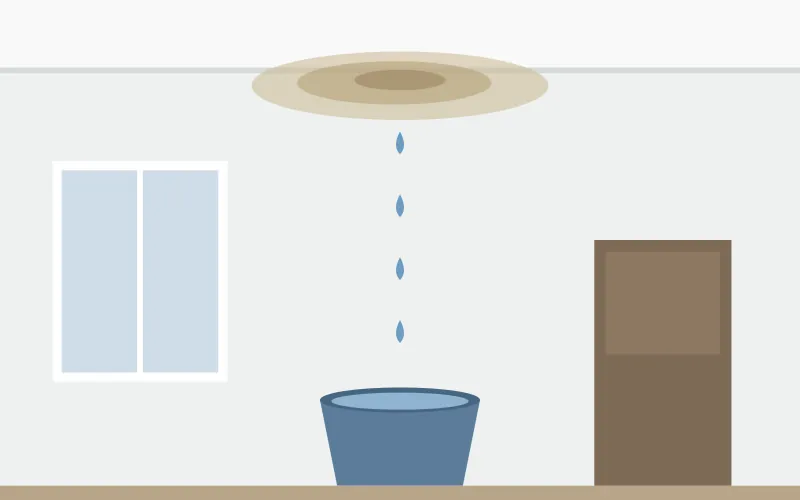
Roof Leak Repair
Trace the real entry point — flashing, nail pops, vent boots or a tired dormer — and seal it properly.
See roof leak repair