Levittown, NY 11756 · Fast service for active leaks
Roof leak repair in Levittown, NY
A ceiling stain or a drip in the upstairs closet is usually the end of a long trail. Roof leak repair means finding where water actually gets in, fixing that spot, and checking that it did not soak the decking on the way.
- Leak tracing, not guesswork
- Shingle, flat and flashing leaks
- Phone line open 24/7
Water coming through the ceiling right now? Talk to a roofing specialist.
(516) 860-5291Phone line open 24/7 · Fast service for active leaksCall now to speak to a specialistIf your roof is leaking in Levittown, the fix almost always starts above the stain, not at it. Water lands on the roof, slips under a lifted shingle or a gap in flashing, then runs along the top of the roof deck or a rafter before it drips. On a Levitt-built Cape Cod with a finished attic, that path can be several feet long and end up in a knee-wall closet or around a light fixture. A good roof leak repair follows that path back to the entry point, repairs it, and checks the wood it crossed.
What to do in the first hour of a roof leak
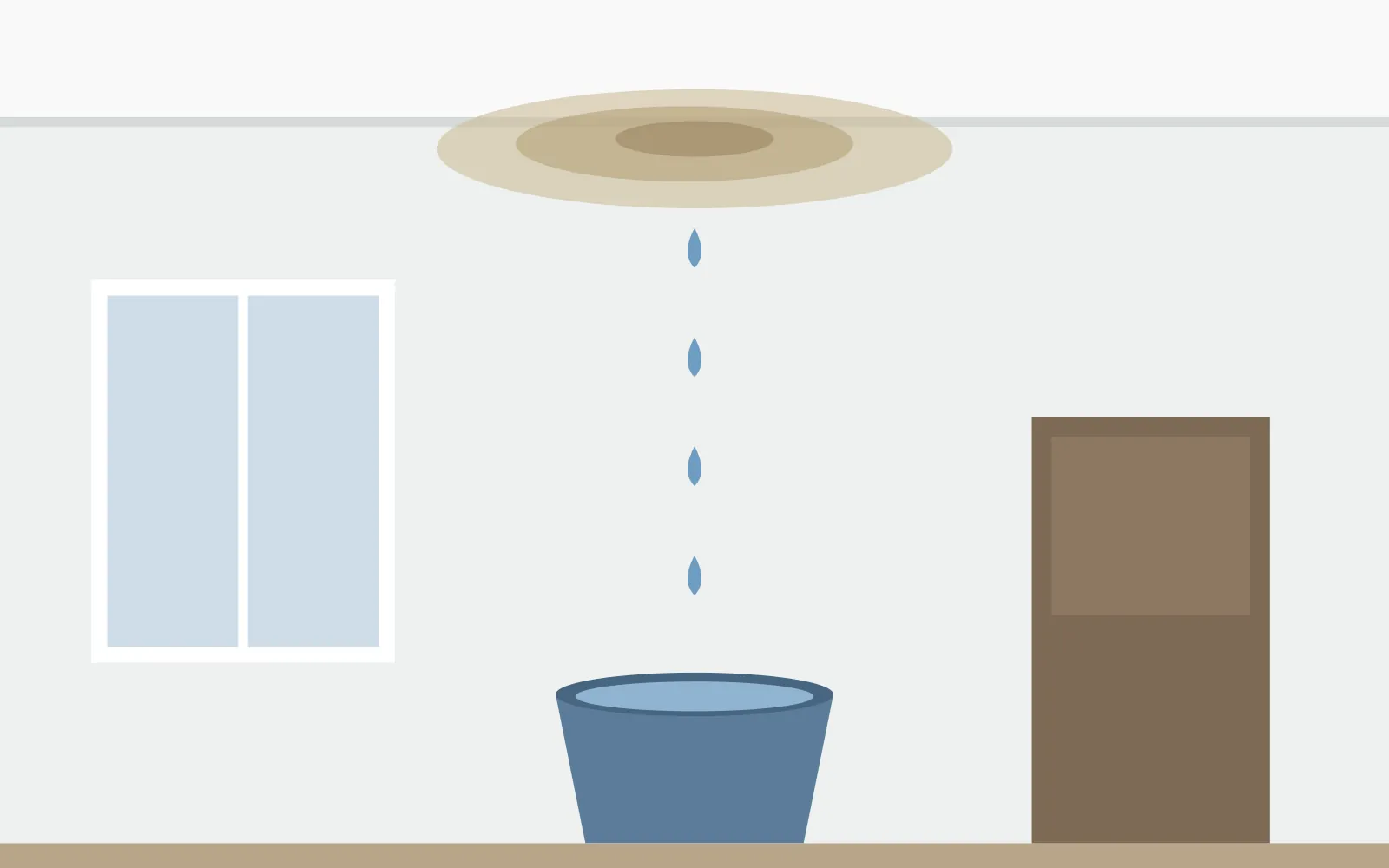
- Catch the water. Put a bucket or bin under the drip and a towel inside it to stop splashing. Move furniture, rugs and electronics out of the way.
- Relieve a bulging ceiling. If drywall is sagging with trapped water, a small hole poked at the lowest point with a screwdriver lets it drain into the bucket instead of bringing the ceiling down.
- Keep away from wet wiring. If water is near a light, fan or outlet, switch that circuit off at the panel.
- Take photos. Photograph the ceiling, the attic if you can reach it safely, and the outside of the roof from the ground. Note the date, time and the weather. This helps the roofer and any insurance claim.
- Stay off the roof. Wet shingles and a steep Cape roof are a bad combination. A roofer can tarp the area if the repair cannot happen right away.
Leak active right now?Call and describe where the water shows. The specialist can tell you if it needs an emergency tarp tonight or can wait for a daylight repair.
Call now to speak to a specialistWhere roofs in Levittown usually leak
Most houses in Levittown were built by Levitt and Sons between 1947 and 1951, as Cape Cods and later ranches. Seventy-plus years on, very few still have their original layout. Dormers were added, attics were finished, kitchens were pushed out the back, and chimneys, vents and skylights were cut through the roof along the way. Every one of those changes added a joint where two surfaces meet, and joints are where water gets in. In order of how often they show up:
1. Flashing at chimneys, walls and dormers
Step flashing along the side of a dormer and counter-flashing on a chimney are the most common leak points on Levittown homes. Older flashing was often face-nailed or sealed with tar that has dried and cracked. Leaks here tend to show after heavy, sideways rain. See our page on chimney and roof flashing repair.
2. Low-slope dormer and extension roofs
Shed dormers and rear additions often have a pitch too low for standard shingles. If shingles were used anyway, or the old rolled roofing has blistered, water sits and finds a seam. This is a flat roof repair job, not a shingle patch.
3. Plumbing vent boots and exhaust vents
The rubber collar around a plumbing vent pipe cracks after roughly ten years in the sun. The leak usually shows as a small, round stain near a bathroom or hallway ceiling.
4. Shingles lifted by wind
Nor'easters and tropical storms push rain uphill under shingles that have lost their seal. A few missing tabs on the windward side can let in a surprising amount of water. Our shingle roof repair page explains how matching and resealing works.
5. Ice dams along the eaves
In a cold snap, heat from a finished attic melts snow, which refreezes at the cold overhang. Water backs up behind the ice and under the shingles. These leaks appear at the top of exterior walls in winter and stop when the thaw ends, which makes them easy to misdiagnose.
6. Skylights and nail pops
Skylight curbs and failed seals cause their own pattern of drips (see skylight leak repair). Nail pops, where a nail backs out and lifts the shingle above it, cause pin-sized leaks that are often found only from the attic.
How a roof leak is traced
Leak tracing is detective work. The roofer will ask when the leak appears: every rain, only in wind from one direction, only when snow melts, or only when the bathroom fan runs. That pattern alone points to a short list of causes. Then they check from inside and outside:
- From the attic: water stains, wet insulation, rusty nail tips and daylight around penetrations show where water travels.
- From the roof: they look above and uphill of the stain for lifted shingles, cracked boots, open flashing seams and exposed nails.
- Water testing: for stubborn leaks, a hose is run on one section at a time, starting low and moving up, while someone watches inside.
- Moisture meter or thermal camera: some roofers use these to map damp areas of ceiling and deck before opening anything up.
Common leak repairs and typical cost ranges
These ranges are general estimates for single-family homes on Long Island and are for planning only. Your actual price depends on roof height, pitch, access, material and what is found once the area is opened.
| Leak source | Typical repair | Estimated range |
|---|---|---|
| Plumbing vent boot | Replace boot and surrounding shingles | $250 – $600 |
| Lifted or missing shingles | Replace and reseal a section | $350 – $1,000 |
| Step flashing at a dormer wall | Remove shingles, new step and counter-flashing | $600 – $1,800 |
| Chimney flashing | New base, step and counter-flashing, cricket if needed | $700 – $2,200 |
| Low-slope dormer seam | Patch membrane or recover section | $500 – $2,500 |
| Rotted decking found under leak | Replace plywood sheets (per sheet) | $90 – $160 each |
For a fuller picture, including inspection fees and when replacement starts to make sense, see the Levittown roof repair cost guide.
Why waiting on a small leak costs more
A slow leak rarely stays small. Repeated wetting softens the plywood deck so nails stop holding, insulation packs down and loses its value, and drywall stains spread. In a damp Long Island summer, wet attic wood and insulation can start to grow mold within a couple of days. Fixing the entry point early usually keeps the job to flashing and shingles. Waiting can turn it into deck replacement, interior repairs and a much bigger bill.
Insurance note: homeowner policies generally cover sudden damage, such as a storm tearing off shingles, but not long-term wear. Report storm leaks promptly and keep your photos. Your policy wording decides what is covered, so check it or ask your agent.
How a roof leak repair job runs
Every roof is different, but a well-run leak repair in Levittown follows this order.
- You call and describe the leakWhere the stain is, when it appears and how old the roof is. This narrows the likely cause before anyone climbs a ladder.
- Temporary protection if neededIf water is still coming in and a full repair cannot be done safely right away, the area can be tarped or sealed temporarily.
- Inspection inside and outAttic first where possible, then the roof surface above and uphill of the stain. Photos are taken of what is found.
- Written explanation and priceYou should get the cause, the proposed fix and the price in writing before work starts, including what happens if rotted decking is found.
- Repair and water checkThe entry point is repaired with matching materials. Many roofers water-test the area or check it after the next rain.
- Interior follow-upOnce the roof is dry, ceiling and insulation repairs can be planned. Do not repaint a stain until the leak is confirmed fixed.
Questions Levittown homeowners ask
Why does my roof only leak in heavy wind?
Wind-only leaks usually mean water is being pushed sideways under flashing or uphill under shingles that have lost their seal. Dormer walls and chimneys on the side facing the storm are the first places to check.
Can a roof leak be repaired in the rain?
A permanent repair needs a dry surface for sealants and shingles to bond. In rain, the usual step is a temporary tarp or seal to stop water coming in, followed by the proper repair when the roof dries.
How do I know if the leak came from the roof or a pipe?
If the stain appears only during or after rain, it is almost always the roof or flashing. A stain that grows on dry days, or sits under a bathroom, points to plumbing. Ice-dam leaks are the exception: they show during snow melt, not rain.
Will one leak mean I need a whole new roof?
Not usually. Most leaks come from one failed detail such as a vent boot or flashing. Replacement makes sense when shingles are worn out across the roof, there are several leaks, or the deck is soft in many places.
How long does a typical roof leak repair take?
Most single-point leak repairs on a Levittown house take a few hours. Flashing rebuilds around a chimney or dormer can take most of a day, longer if decking has to be replaced.
Is roof cement a permanent fix?
Roofing cement is a short-term sealant. It hardens and cracks with sun and freeze-thaw cycles. A lasting repair replaces the failed part, such as the flashing or vent boot, and uses sealant only where the manufacturer specifies it.
Related roofing services in Levittown
Emergency Roof Repair
24/7 phone line for active leaks, storm openings and fallen-limb damage. Tarping first, permanent fix after.
See emergency roof repair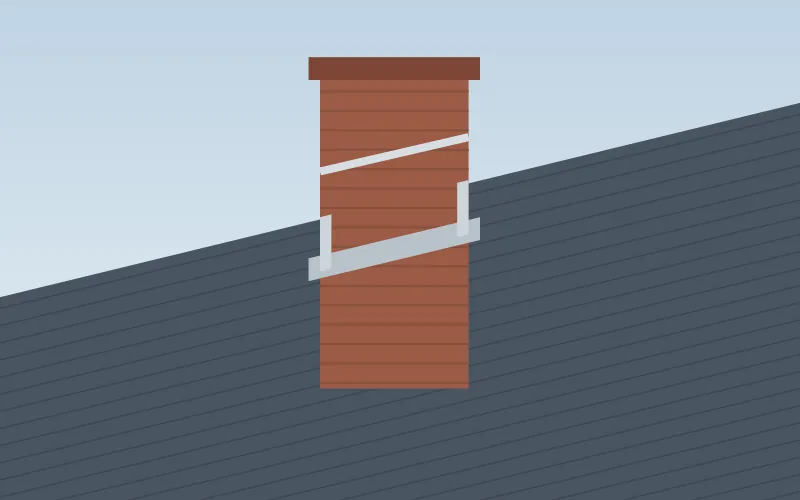
Chimney & Roof Flashing Repair
Step, counter and chimney flashing, vent boots and dormer walls: the joints where most leaks begin.
See chimney & roof flashing repair
Gutter Repair & Replacement
Leaking seams, sagging runs, overflowing corners and rotted fascia fixed, or new seamless gutters sized for the roof.
See gutter repair & replacement
Roof Inspection
A full condition check: shingles, flashing, attic, ventilation and remaining life, with photos and a written summary.
See roof inspection